The essentials
- Fairbanks sits under the auroral oval and most winter visitors are here for that above everything else.
- A natural hot spring you can sit in at minus thirty, which is exactly as strange as it sounds.
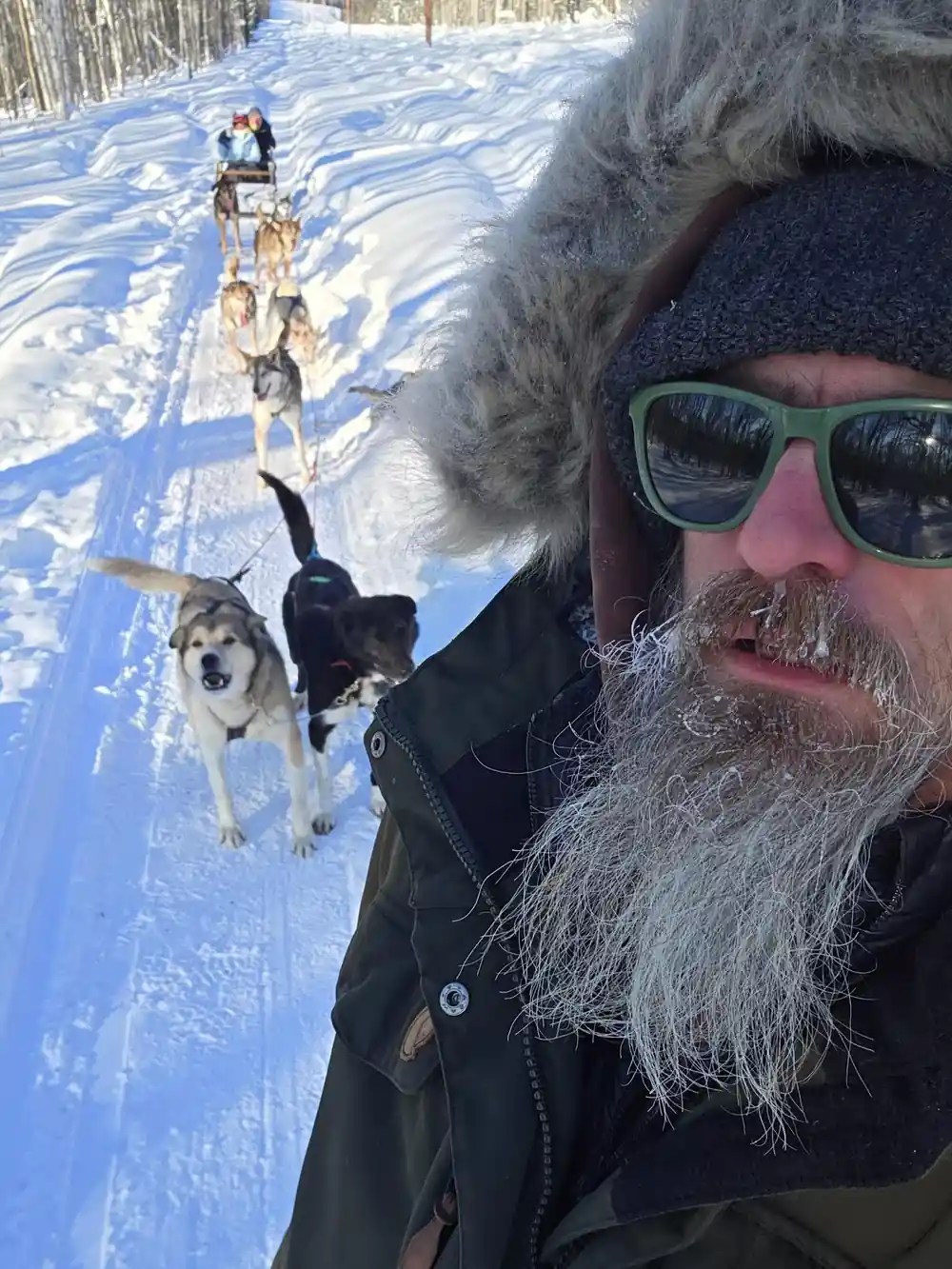
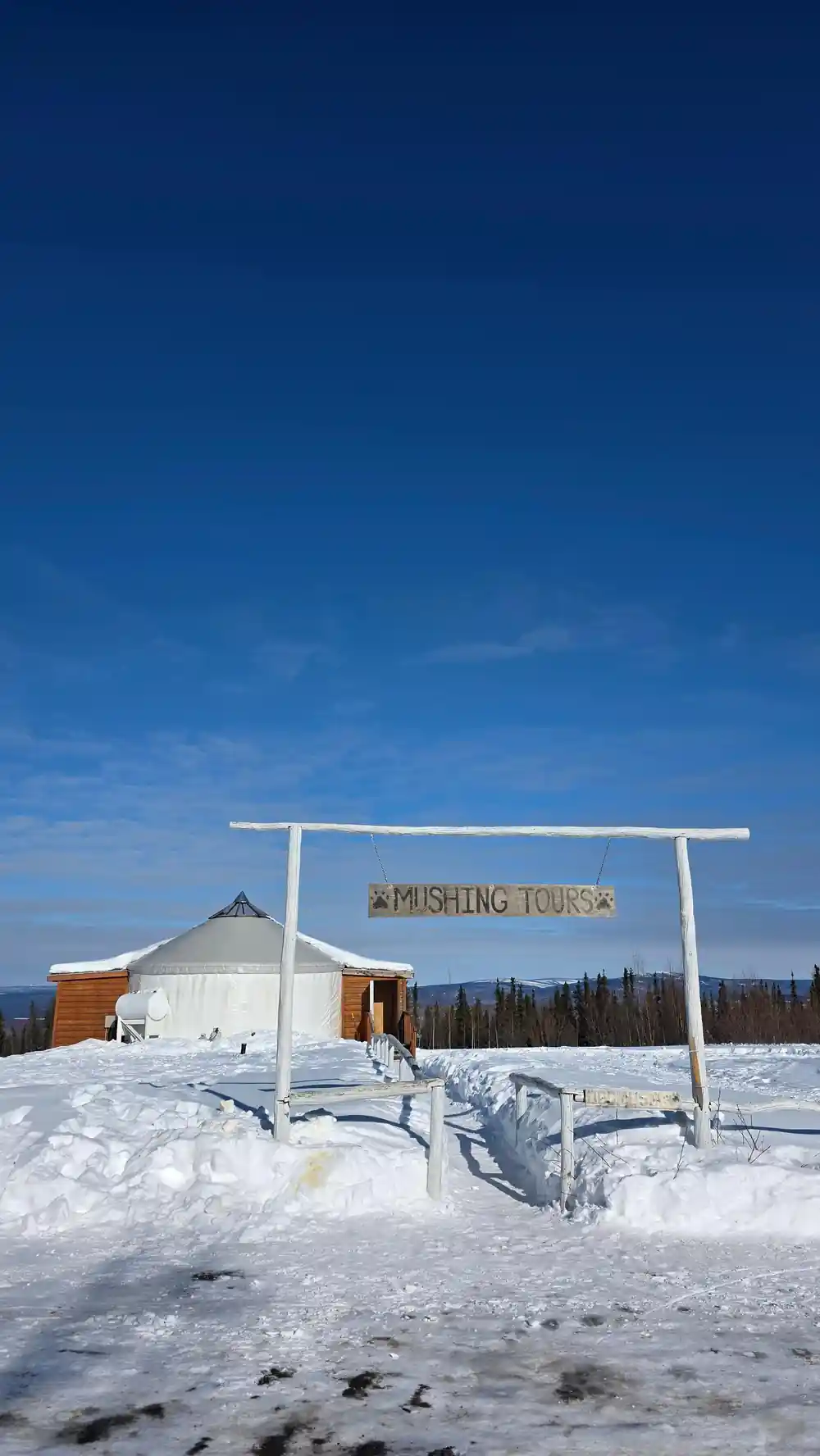
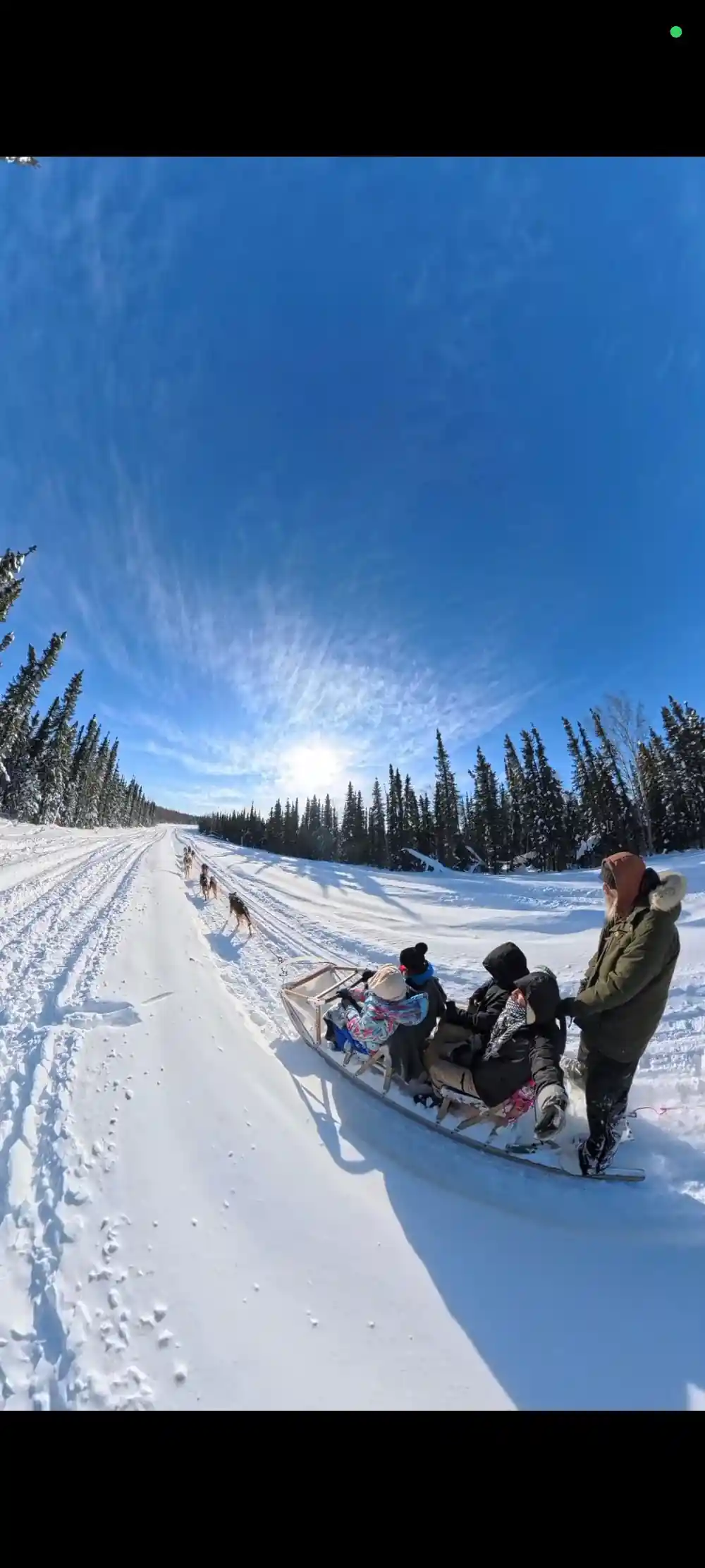
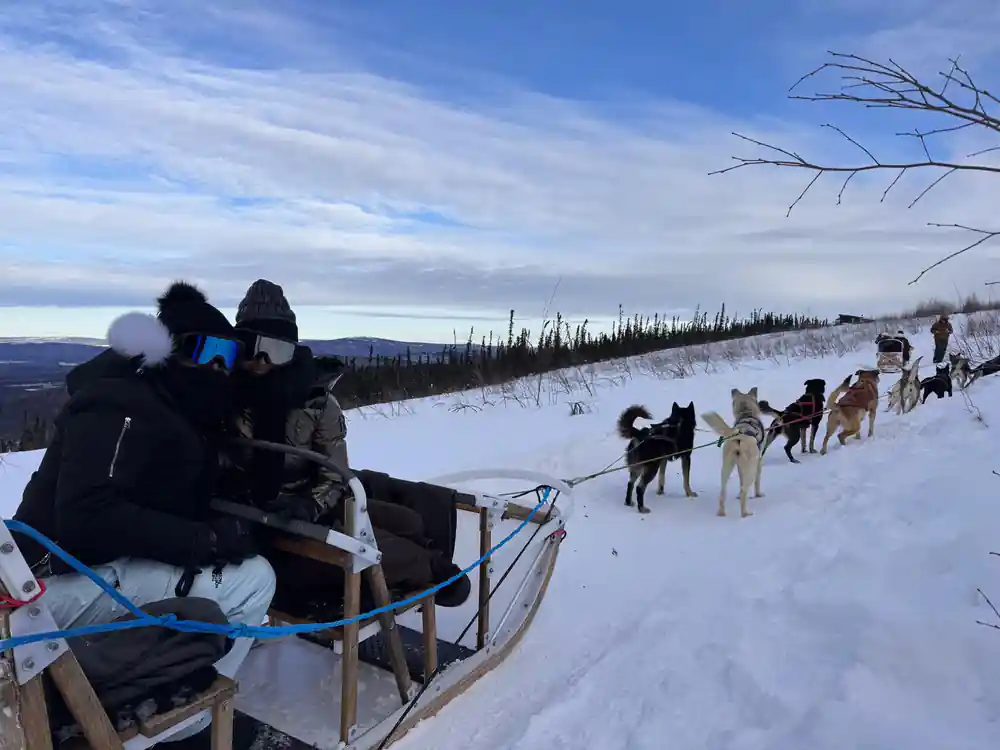
- The sled ride is short and starts at your hotel, so it fits around evenings committed to the sky.
- Fairbanks is compact and spread out at once, and winter walking is limited. Most visitors use tours or a car.
What Fairbanks is
A town of around thirty thousand in the middle of Interior Alaska, several hundred kilometres from anywhere comparable, sustained by a university, a military presence and the visitors who come for the sky. It is not picturesque and it is not trying to be.
What it is, is a base. Fairbanks exists at the intersection of a road, a river and an airport in a part of the world that has very few of any of them, and everything a visitor comes here to do happens in the country around it rather than in the streets.
That shapes a winter trip. You will spend your time going out and coming back rather than wandering, and the town is the place you get warm in between.
The aurora, which is why most people come
Fairbanks sits almost directly beneath the auroral oval, which makes it one of the most reliable places on earth to see the northern lights. The season runs from late August to mid-April and the displays appear overhead rather than low on the horizon.
You need to be away from town lights. That means a tour, a car, or accommodation outside the city, and it means being awake in the middle of the night for several nights rather than one. Cloud rather than activity is what usually decides the outcome.
Give it three nights if you can. One night is a coin toss and people who allow only that go home disappointed by weather rather than by Alaska.
It is also worth setting expectations about what a display looks like. A strong aurora moves, changes shape and fills a large part of the sky, and it is genuinely startling. A weak one is a pale grey-green band that a camera renders far more dramatically than the eye does. Both are common, and people who have only seen photographs are sometimes surprised by the second.
Chena Hot Springs
About ninety kilometres north-east of town at the end of a road that goes nowhere else. A natural hot spring feeds an outdoor rock pool that you can sit in while the air above it is at minus thirty, and the steam freezes in your hair while you do.
It is the single most photographed thing in the Fairbanks area after the aurora, and the two combine: the resort is far enough from town lights that people watch the sky from the water.
There is also an ice museum on the site, built and rebuilt from ice each year, which sounds like a gimmick and is genuinely well made.
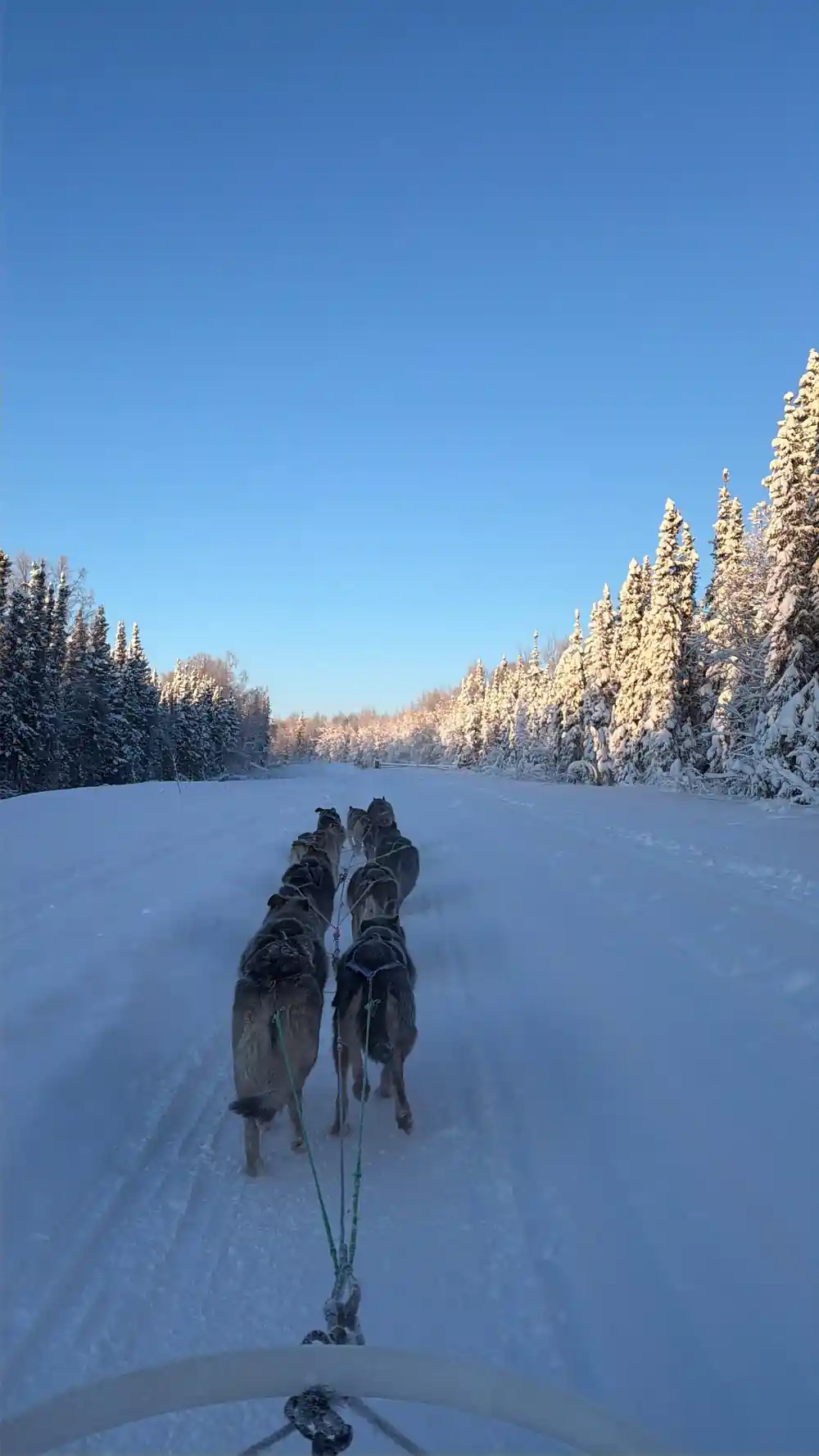
Boreal forest under snow outside town, where the aurora is watched from
What works with children
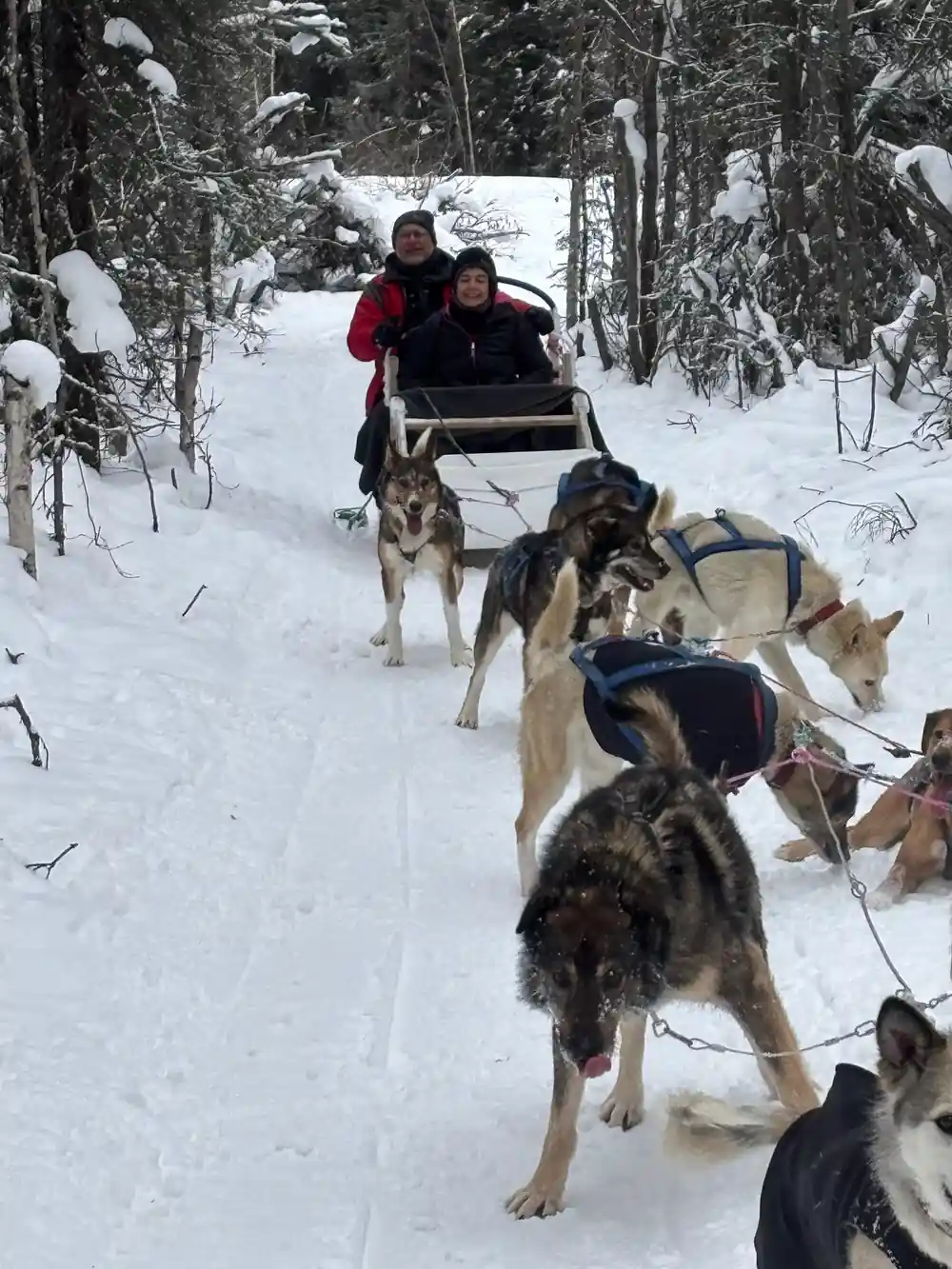
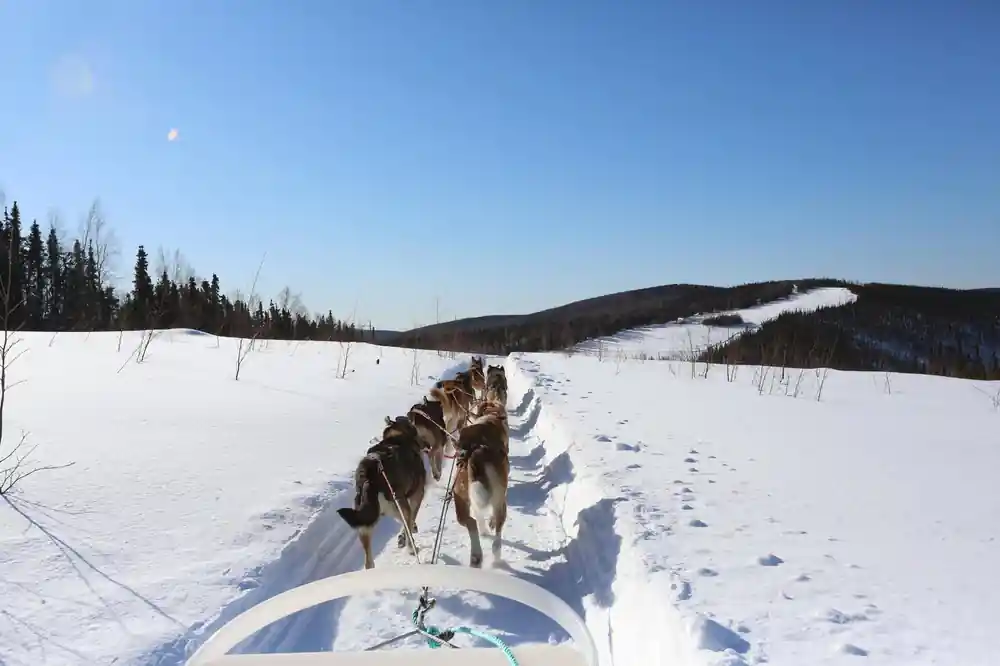
A short sled ride works very well, which is part of the appeal of an hour rather than a half day. Kennel yards with puppies work even better, and any adult who has watched a seven-year-old meet a litter knows the ride is not what will be remembered.
Beyond that: the hot springs, the ice museum, the university museum in town, and snow itself, which for a child from a mild climate is an activity in its own right.
The constraint is cold rather than interest. Children lose heat faster than adults and complain about it later, so shorter is better and layers matter more.
The practical shape of a winter day
Daylight is the budget. In December you have around three usable hours in the middle of the day and a long twilight either side, which means one outdoor activity rather than two. In March you have eleven and the day opens up considerably.
The usual pattern is an activity in the middle of the day, a long dinner, and then out for the aurora late. A one-hour tour with hotel pickup fits that better than almost anything else on offer here.
Do not overfill it. Cold is tiring in a way that catches people out, and the middle of the night is when the thing you actually came for happens.
The other thing that catches visitors out is how early everything closes. This is a working town rather than a resort, and outside the hotels the options for a late meal are limited. Plan dinner earlier than you would elsewhere, particularly if you intend to be out at two in the morning afterwards.
Summer, briefly
A completely different town. Twenty-one degrees in July, nearly twenty-one hours of daylight, riverboats, gold panning, hiking and the Midnight Sun Game, which is baseball played from late evening into the small hours without artificial light.
No aurora, because it never gets dark, and no dog sledding, because there is no snow and it is too warm for the animals.
It is a good visit and it is not the same holiday. People who want both come twice.
How busy it gets
Winter is the high season, which surprises people. Aurora tourism has grown steadily and the peak weeks around Christmas, New Year and the Chinese New Year period fill hotels and tours completely.
Book activities ahead in those weeks. Elsewhere in the season, particularly in early December and late March, there is far more room and you can often decide a day or two out.
The genuinely quiet months are May and October, at the two ends of the shoulder, when there is neither snow nor summer and very little running.
If your dates are fixed and fall in a peak week, book the daytime activities first and leave the aurora nights flexible. Sled tours, hot springs trips and museum visits all have finite capacity that genuinely sells out; the sky does not take reservations.
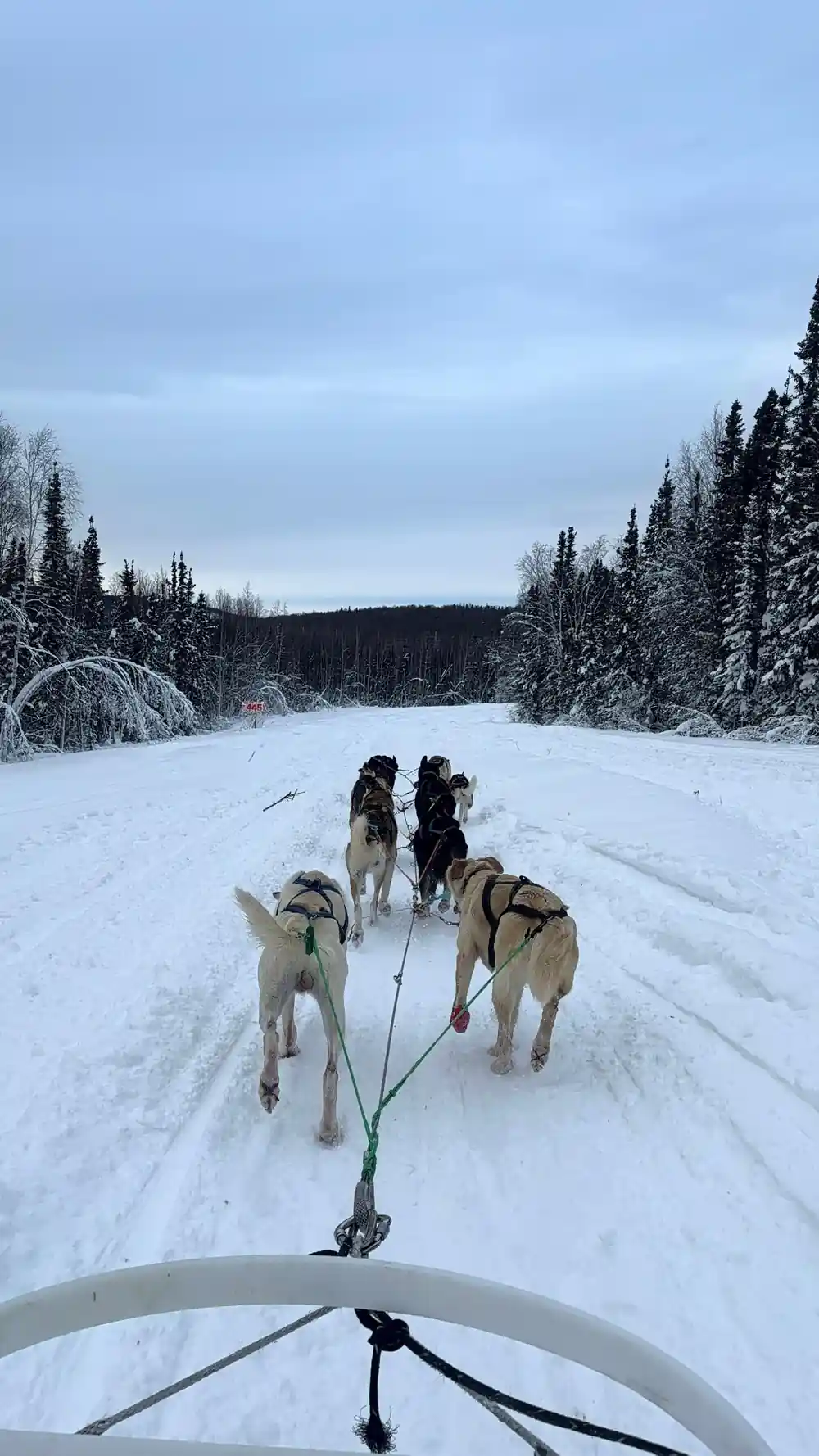
One hour in the daylight, and the night left free for the sky
from US$175Reserve now & pay later